
المركز الإعلامي
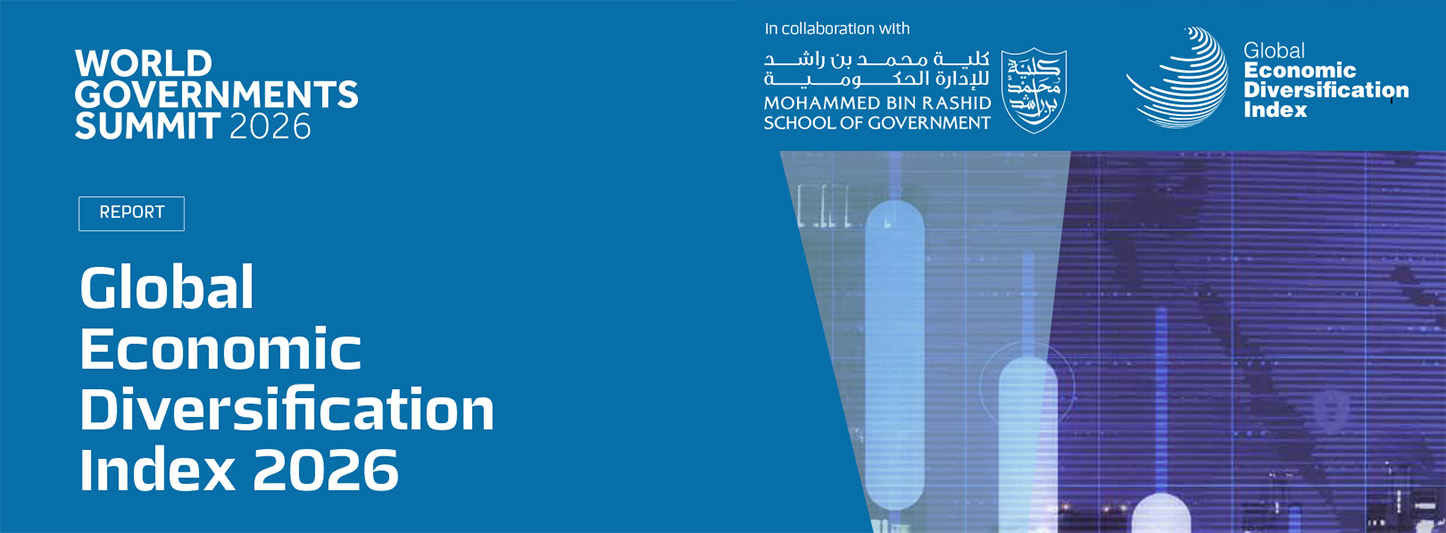
كلية محمد بن راشد للإدارة الحكومية تطلق النسخة الخامسة لمؤشر التنويع الاقتصادي العالمي 2026
أطلقت كلية محمد بن راشد للإدارة الحكومية تقريرها السنوي الخامس لمؤشر التنويع الاقتصادي العالمي 2026 (EDI)، والذي يعتبر الأداة العالمية المعيارية الوحيدة لقياس التقدم الوطني في بناء اقتصادات مرنة ومتنوعة، و يُنشر بصفته التقرير السنوي الرسمي للقمة العالمية للحكومات، وتكشف أحدث نسخة للمؤشر عن مشهد اقتصادي عالمي يتشكل بشكل متزايد بفعل الاضطرابات الكبرى، بما في ذلك ضرورة التحول الأخضر والقوة التحويلية للرقمنة.
وفي معرض تعليقه على نتائج التقرير، قال سعادة الدكتور علي بن سباع المري، الرئيس التنفيذي لكلية محمد بن راشد للإدارة الحكومية: "لا يكتفي مؤشر التنويع الاقتصادي العالمي 2026 بقياس درجة تنويع الاقتصاد فحسب، بل يسلط الضوء أيضاً على التحولات الجارية في الاقتصاد العالمي. لقد أصبحت الرقمنة محركاً رئيسياً لإعادة تشكيل الجهود التي تتخذها الدول لضمان مستقبل أكثر مرونة وتنوع. وتؤكد نتائجنا على الحاجة الملحة للاستثمارات الاستراتيجية في البنية التحتية الرقمية والمهارات لضمان أن يكون هذا التحول شاملاً وعادلاً. كما يكشف التقرير كيف يمكن للذكاء الاصطناعي أن يكون عنصراً رئيسياً يساعد في تغيير قواعد اللعبة، حيث يمكن للبلدان أن تتجاوز المراحل الصناعية التقليدية وتصدر قيمة وكفاءة اقتصادية، وليس السلع المادية فحسب".
وأضاف سعادته: "يأتي التقدم الاستثنائي لدولة الإمارات العربية المتحدة، المتمثل في ارتفاع درجات مؤشر Trade+، ليؤكد الدور الذي يمكن للقيادة المستنيرة أن تلعبه في تسخير التقدم الرقمي بفعالية لبناء مستقبل متنوع وقادر على مواجهة التحديات المستقبلية".
المؤشر، أداة فريدة قائمة على البيانات، يقيس التنويع الاقتصادي في 117 دولة ويقيّم 25 عاماً من التقدم (2000-2024)، ويقيس الأركان الرئيسية الثلاثة للتنويع الاقتصادي: تنويع الإنتاج، والتجارة، وإيرادات الحكومة، مما يمكن الحكومات من قياس نجاح سياساتها الاقتصادية.
كشفت نتائج مؤشر عام 2026 عن استمرار صدارة الولايات المتحدة والصين وألمانيا، فيما تهيمن دول أوروبا الغربية على المراكز العشرين الأولى للاقتصادات الأكثر تنوعاً، مع بروز الهند كدولة الدخل المتوسط المنخفض الوحيدة في المراكز الثلاثين الأولى. ويوصي التقرير باتباع نهج متعدد الأبعاد للتنويع، مع التركيز على الرقمنة، وتسريع التحول الأخضر، والتكامل الإقليمي، وتعزيز السيادة المالية.
وشهدت المنطقة العربية تحسناً كبيراً في التنويع الاقتصادي على مدى ربع القرن الماضي، حيث سجلت دولة الإمارات والبحرين أعلى الدرجات بين دول مجلس التعاون الخليجي، بينما سجلت المملكة العربية السعودية وقطر وسلطنة عُمان تقدماً كبيراً. وأوضح التقرير أيضاً أن نتائج المملكة العربية السعودية في العام 2024 لا تزال أقل من مستواها قبل الجائحة، وذلك على الرغم من الإصلاحات المتسارعة.
من جهته، قال الدكتور فادي سالم، مدير إدارة بحوث السياسات في كلية محمد بن راشد للإدارة الحكومية، والمؤلف المشارك للتقرير: "تم تصميم المؤشر ليكون أداة سياسات شاملة تساعد الحكومات على فهم وتنفيذ خطط التنويع الاقتصادي الناجحة. وفي نسخته الخامسة، أصبح مؤشر التنويع الاقتصادي العالمي أداة سياسات مؤثرة ومعتمدة على المستوى العالمي، تُستخدم من قبل مؤسسات دولية مثل مؤسسات الأمم المتحدة والحكومات في جميع أنحاء العالم".
ويواصل مؤشر التنويع الاقتصادي العالمي تقديم رؤى فريدة حول تأثير التجارة الرقمية على التنويع الاقتصادي، من خلال أداة EDI+ التي تدمج ثلاثة مؤشرات خاصة بالتجارة الرقمية. وتكشف النتائج هذا العام أن الرقمنة تعيد تشكيل مسارات تنويع الاقتصاد، حيث سجلت الاقتصادات المتقدمة تحسناً في ترتيبها بينما قفزت الاقتصادات متوسطة الدخل المنخفض إلى أعلى بشكل كبير. كما يسلط EDI+ الضوء على الدور المتنامي للتجارة الرقمية في الاقتصاد العالمي، لكنه يحذر من أن الرقمنة ربما تخاطر بخلق فجوة جديدة بين اقتصادات البيانات الغنية ومنتجي السلع الأساسية.
تُظهر الإمارات العربية المتحدة، على وجه الخصوص، تقدماً ملحوظاً، حيث تحسنت نتائجها في مؤشر Trade+ بشكل ملحوظ، مما يشير إلى الاستفادة الفعالة من الرقمنة وقطاعات الاقتصاد الرقمي.
ويعتمد مؤشر التنويع الاقتصادي العالمي على منهجية "البحث القابل للتكرار"، ويعتمد فقط على المؤشرات والأدلة الكمية المتاحة بشكل مفتوح، ويبتعد عن استطلاعات الرأي الذاتية. كما أعلنت كلية محمد بن راشد للإدارة الحكومية عن إطلاق المؤتمر العالمي للتنويع الاقتصادي (GCED)، الذي يجمع قادة الفكر من الجامعات المرموقة ومؤسسات صنع السياسات والمنظمات الدولية. وستعقد النسخة القادمة من المؤتمر في عام 2027.
تتبنى كلية محمد بن راشد للإدارة الحكومية، من خلال إدارة بحوث السياسات، إثراء عملية صنع القرار الحكومي محلياً ودولياً، من خلال تقديم مجموعات البيانات الأولية والتوصيات القائمة على الأدلة. ويمكن الاطلاع على التقرير الكامل لمؤشر التنويع الاقتصادي 2026، بما في ذلك النتائج التفصيلية ومجموعات البيانات والتصورات التفاعلية، من خلال زيارة الموقع الرسمي للمؤشر: www.EconomicDiversification.com

 For an optimal experience, please
rotate your device to portrait mode.